![]() |
![]() CDROM VERSION POSTER STORE ABBOTT ANSEL ADAMS ROBERT ADAMS ALVAREZ BRAVO ATGET BELLOCQ BLOSSFELDT BOURKE-WHITE BRANDT BRASSAÏ CALLAHAN CAMERON COBURN CUNNINGHAM DeCARAVA DOISNEAU EGGLESTON EVANS FENTON FRIEDLANDER GOWIN GUTMANN HILL&ADAMSON HINE KARSH KERTÉSZ KLEIN KOUDELKA LANGE LARTIGUE LAUGHLIN LEVITT MAPPLETHORPE MEATYARD MEYEROWITZ MODEL MODOTTI MUYBRIDGE NADAR NEWMAN O'SULLIVAN OUTERBRIDGE PARKS PENN RIIS RODCHENKO SALGADO SHERMAN SHORE SMITH SOMMER STEICHEN STIEGLITZ STRAND TALBOT UELSMANN WALDMAN WATKINS WESTON WHITE WINOGRAND WOLLEH |
![]() Text from Wikipedia
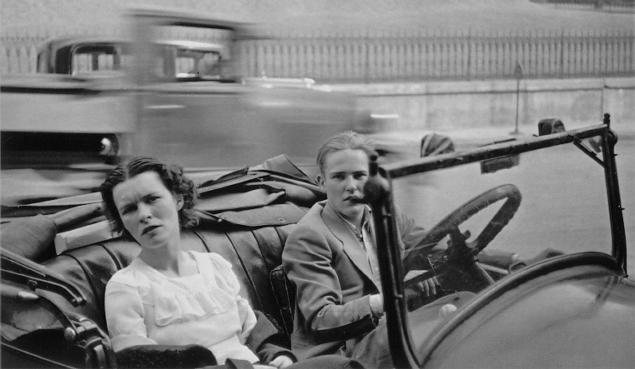
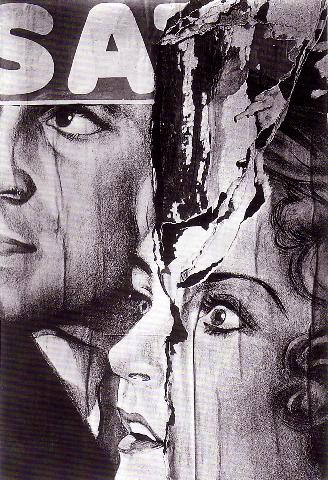
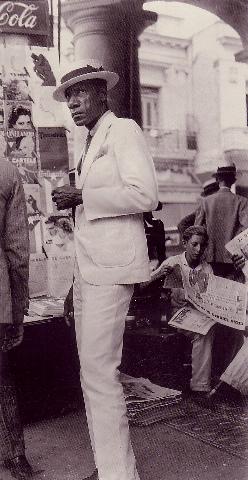
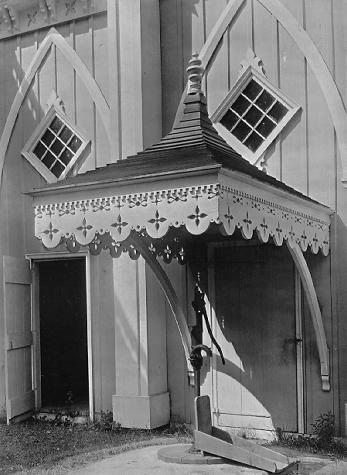
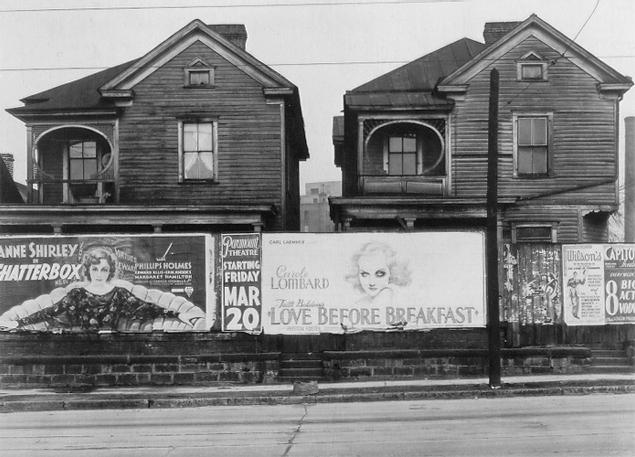
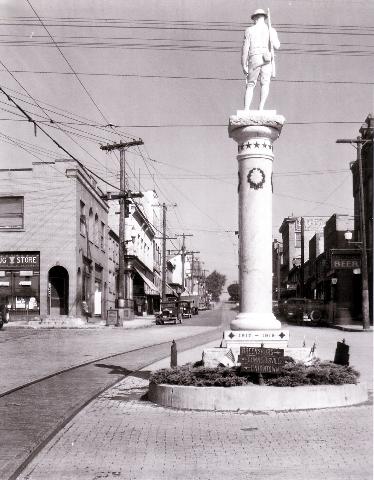
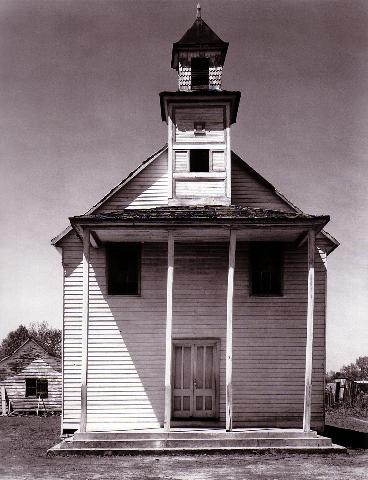
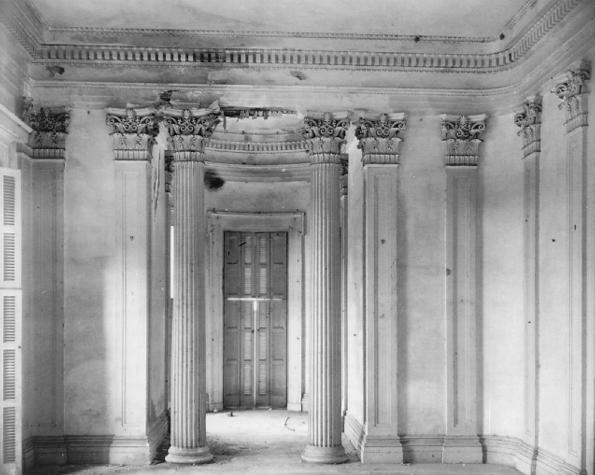
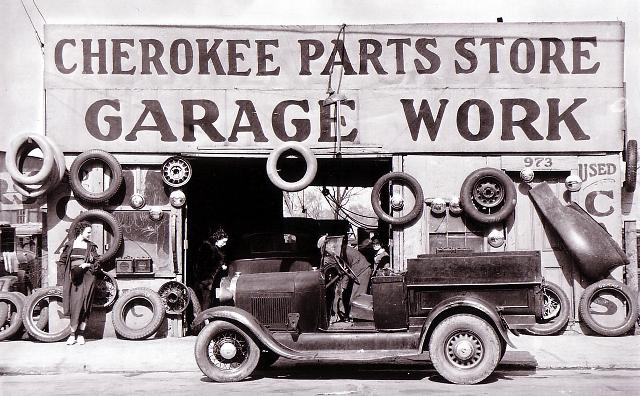
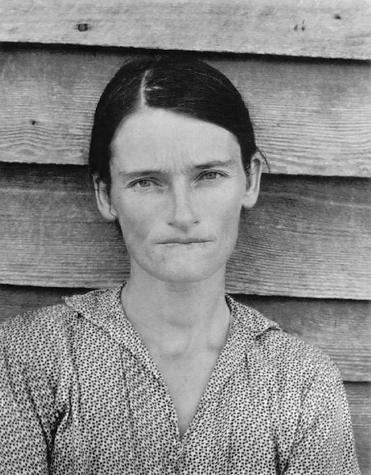
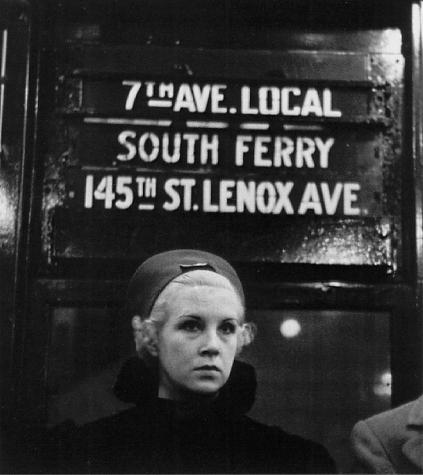
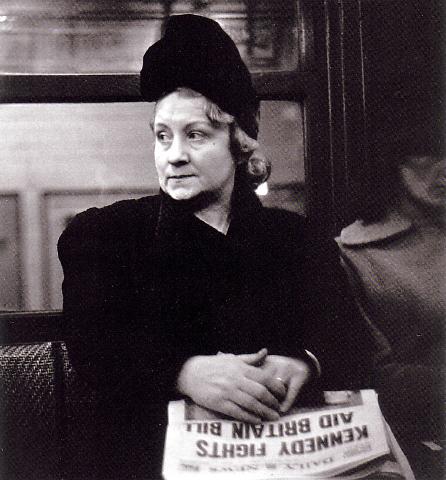
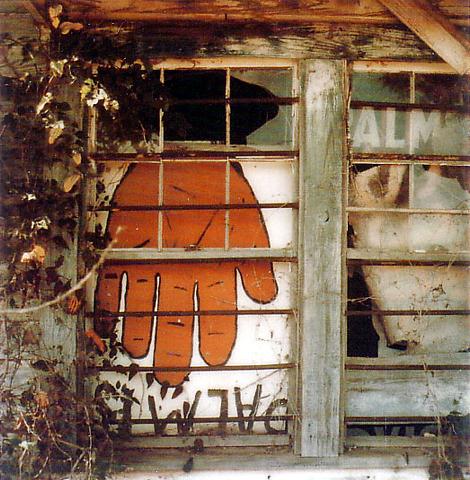
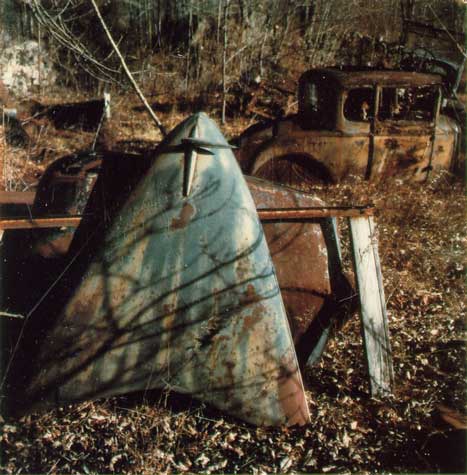
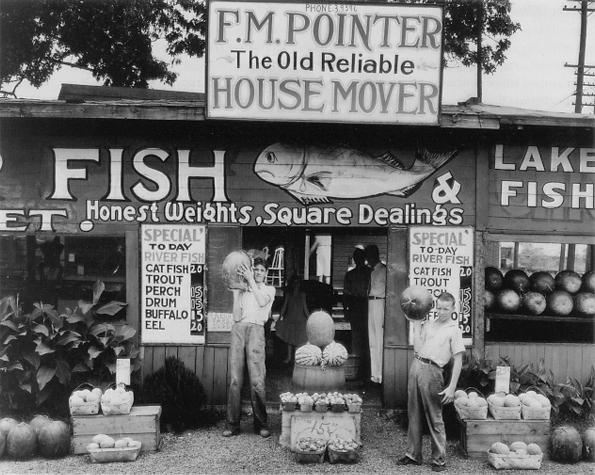
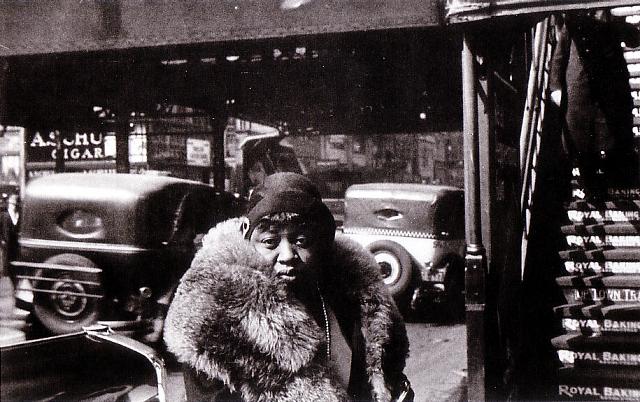
Evans, Walker Walker Evans (November 3, 1903 – April 10, 1975) was an American photographer best known for his work for the Farm Security Administration documenting the effects of the Great Depression. Much of Evans' work from the FSA period uses the large-format 8x10in view camera, which camera, when used from directly in front of a subject, can create the appearance of a dispassionate viewpoint. Evans and other FSA photographers used this technique, and others, to emphasize the plight of America's poor and workers during the Great Depression. In some ways Evans is perhaps the first and greatest of those photographers of the American social landscape. Born in St. Louis, Missouri, he attended a string of schools in Pennsylvania, Connecticut, and Massachusetts, before dropping out of Williams College. After spending a year in Paris, he returned to the United States to join the edgy literary and art crowd in New York City. John Cheever and Lincoln Kirstein were among his friends. And, they held American commercialism in great disdain. Intimidated by the difficulty of writing great prose, Evans turned to photography in 1930. In 1933 he photographed in Cuba during the revolt against the dictator Geraldo Machado. Evans went there on assignment for the publisher of Carleton Beals' forthcoming book, The Crime of Cuba. The photographs Evans created there do not illustrate Beals' florid tales of political intrigue and violence. Instead, they possess a kind of clarity and serenity, all under the guise of documentary objectivity. In Cuba, Evans briefly knew Ernest Hemingway and may have influenced his work. Evans was a passionate reader and writer and – from his later years as a staff writer (1945) at Time Magazine and then editor (1945-65) at Fortune magazine – a skilled prose stylist. He wrote that his goal as a photographer was to make pictures that are "literate, authorative, transcendent." Evans' devotion to clarity and beautiful form, whether in pictures or in prose, made him a vigorous editor of his own work, and perhaps caused him to hold in contempt those photographers and writers who would not do the same. In 1938 and 1939 Evans worked with and mentored Helen Levitt. In 1941 Walker Evans co-published, along with James Agee, the ground-breaking book Let Us Now Praise Famous Men. It was a series of photos by Evans along with accompanying text by Agee, detailing the two's journey through the rural south during the Great Depression. Its detailed account of three farming families paints a deeply moving portrait of rural poverty. Similar to the Beals' book, the critic Janet Malcolm has pointed out the contradiction between a kind of anguished dissonance in Agee's prose and the quiet, magisterial beauty of Evans' photographs of sharecroppers. The three familes headed by Bud Fields, Floyd Burroughs and Frank Tingle, lived in Hale County, Alabama, near the small town of Akron. The families were sharecroppers, which, in essence, meant they were virtual slaves to wealthy landowners in the area. These landowners told the three families that Evans and Agee were "Soviet agents," although Allie Mae Burroughs, Floyd's wife, recalled discounting that information during interviews conducted later in her life. Evan's photographs of the families made them icons of Depression-Era misery and poverty. Today, in Hale County, Alabama, Evans, Agee and "Let Us Now Praise Famous Men," remain controversial -- with many of the subjects' descendents maintaining the family was presented in an unflattering light by Evans's photographs. Evans and Agee were originally sent to Hale County on assignment by Fortune magazine, which subsequently opted not to run the story. In September, 2005, Fortune revisted Hale County and revisited the descendents of the three families for its 75th anniversary issue. It has been suggested that Evans provided the inspiration behind Andy Warhol's photo booth portraits, following the publication of 'Subway Portraits' in Harper's Bazaar in March 1962. Evans first experimented with the photo booth self portrait in New York in 1929, using it to detach his own artistic presence from his imagery, craving after the true objectivity of what he later described as the "ultimate purity" of the "record method". As well as this strong documentary aspect, Evans went on to work in an abstract modernist, using the tools of both black-and-white and colour photography to cover both socio-political issues and more conceptual artistic ideas.
[Additional copyright info]
|
Buying through this link supports Masters of Photography
|