![]() |
![]() CDROM VERSION POSTER STORE ABBOTT ANSEL ADAMS ROBERT ADAMS ALVAREZ BRAVO ATGET BELLOCQ BLOSSFELDT BOURKE-WHITE BRANDT BRASSAÏ CALLAHAN CAMERON COBURN CUNNINGHAM DeCARAVA DOISNEAU EGGLESTON EVANS FENTON FRIEDLANDER GOWIN GUTMANN HILL&ADAMSON HINE KARSH KERTÉSZ KLEIN KOUDELKA LANGE LARTIGUE LAUGHLIN LEVITT MAPPLETHORPE MEATYARD MEYEROWITZ MODEL MODOTTI MUYBRIDGE NADAR NEWMAN O'SULLIVAN OUTERBRIDGE PARKS PENN RIIS RODCHENKO SALGADO SHERMAN SHORE SMITH SOMMER STEICHEN STIEGLITZ STRAND TALBOT UELSMANN WALDMAN WATKINS WESTON WHITE WINOGRAND WOLLEH |
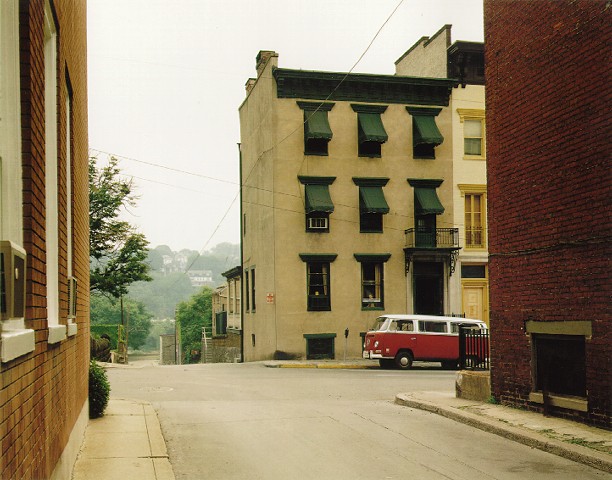
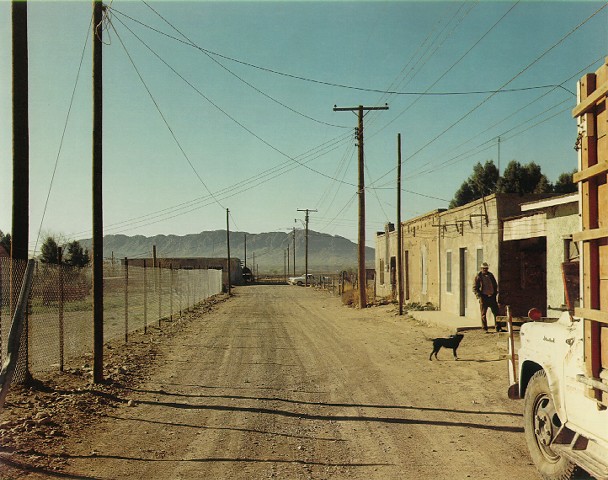
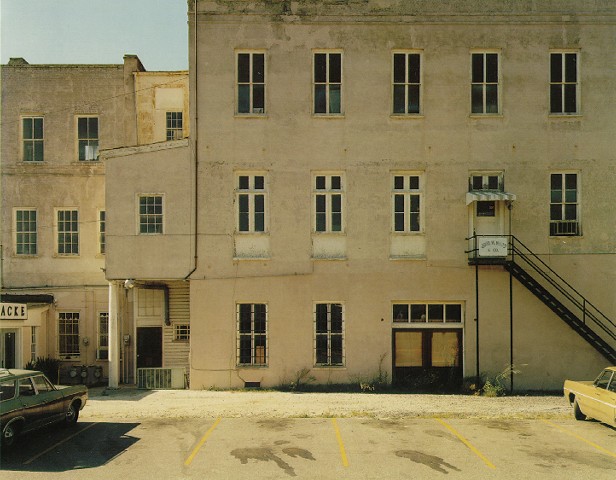
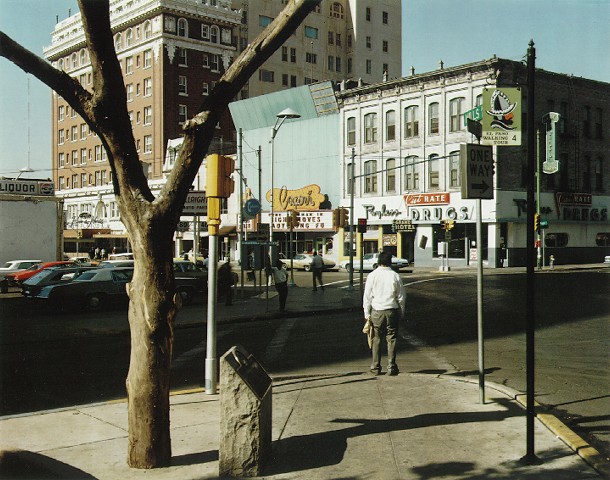
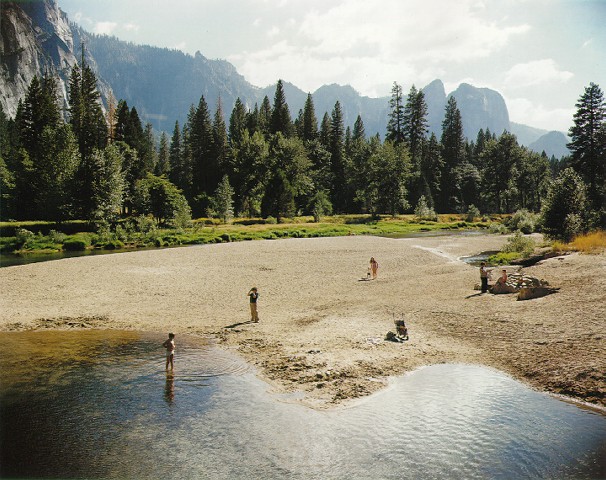
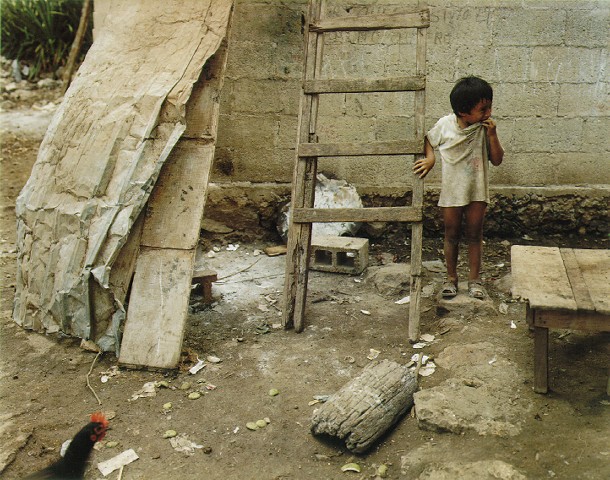
![]() Text from Stephen Shore, The Nature of Photographs "The next transformative element is the frame. A photograph has edges; the world does not. The edges separate what is in the picture from what is not. Robert Adams aimed his camera down a little bit and to the right, included a railroad track in [his] photograph of a partially clear-cut Western landscape, and sent a chilling reverberation through the image's content and meaning. The frame corrals the content of the photograph all at once. The objects, people, events, or forms that are in the forefront of a photographer's attention when making the fine framing decisions are the recipients of the frame's emphasis. The frame resonates off them and, in turn, draws the viewer's attention to them. "Just as monocular vision creates juxtapositions of lines and shapes within the image, edges create relationships between these lines and shapes and the frame. The relationships that the edges create are both visual and "contentual." "The men in the foreground of this photograph by Helen Levitt bear a visual relationship not only to each other, but also to the lines of the frame. The frame energizes the space around the figures. These formal qualities unite the disparate action of this picture - the seated man with his stolid stare, the languid dialogue of the two men on the left, and the street-wise angularity of the central figure - into the jazzy cohesion of 1940s New York City street life. "For some pictures the frame acts passively. It is where the picture ends. The structure of the picture begins within the image and works its way out to the frame. "As the street in [a] photograph by William Eggleston leads to a pine wood beyond the subdivision's boundaries and incorporates this borrowed scenery into its environment, so the photograph's structure incorporates this residential setting and implies a world continuing beyond its edges. "- For some pictures the frame is active. The structure of the picture begins with the frame and works inward. "- Although we know that the buildings, sidewalks, and sky continue beyond the edges of this urban landscape, the world of the photograph is contained within the frame. It is not a fragment of a larger world."
|
Buying through this link supports Masters of Photography
|