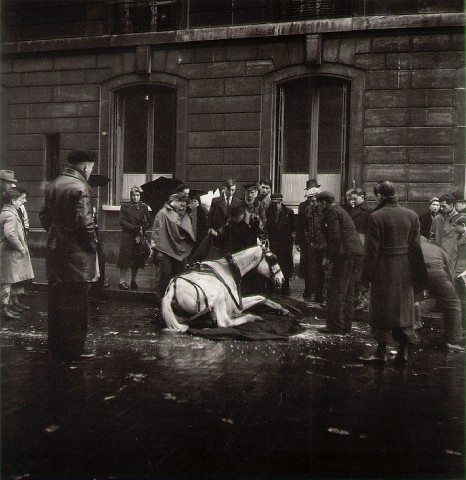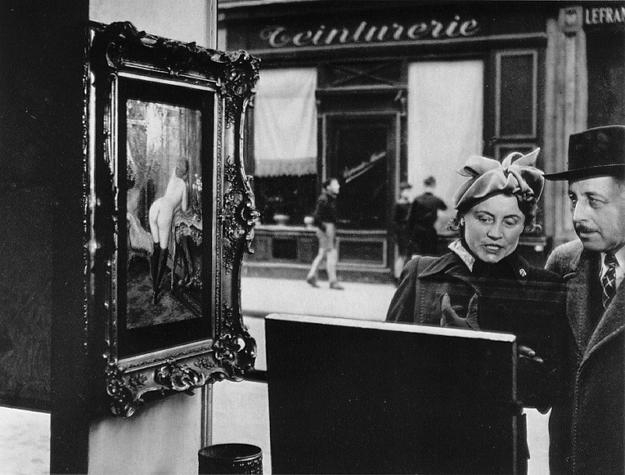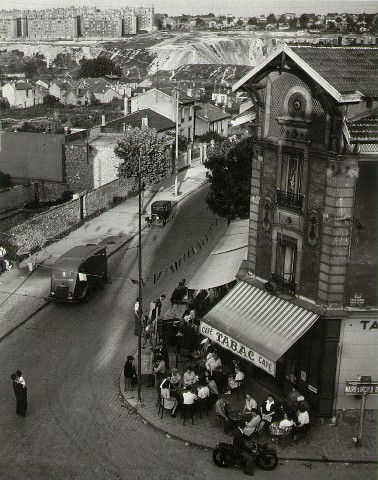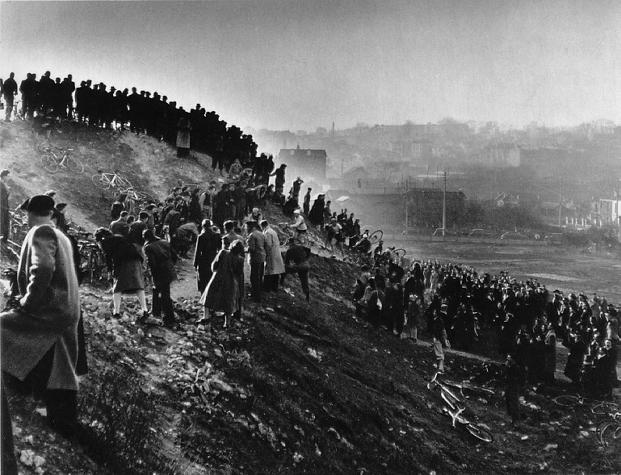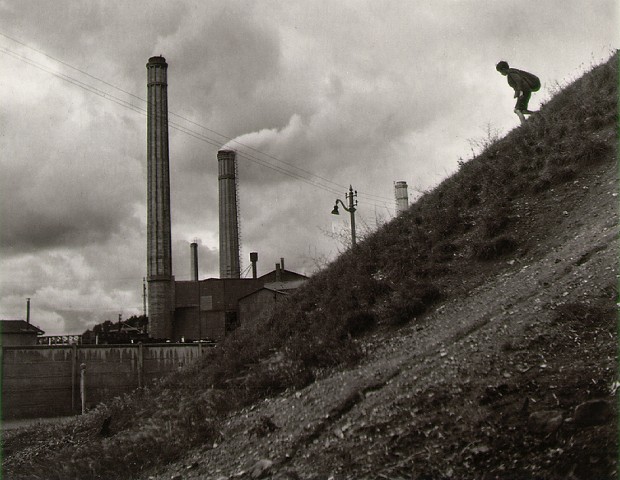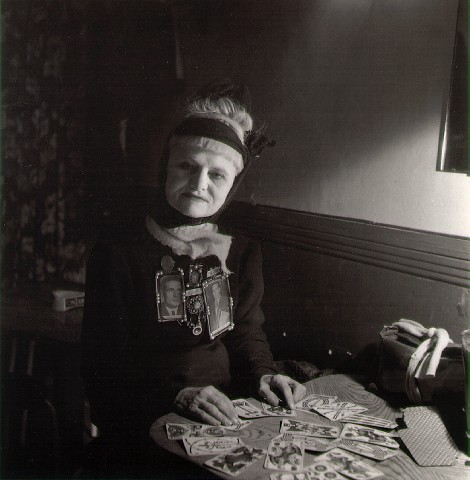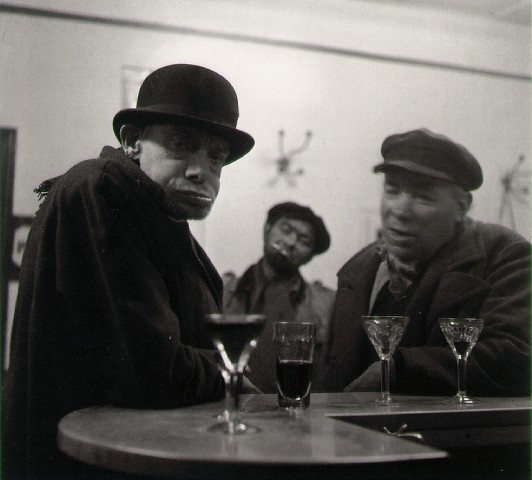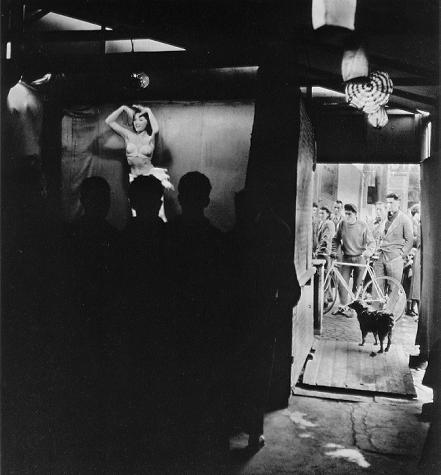
Robert Doisneau was a notable French photographer who gained fame for his artistic and poetic approach to street photography. Born on April 14, 1912, in Gentilly, Val-de-Marne, Paris; Doisneau was orphaned as a youth. He attended the Estienne School in Paris learning engraving and lithography before embarking on pursuing photography as art.
Doisneau established himself as a pioneer of photojournalism with Henri Cartier-Bresson from the 1930s. His humorous and surrealist images were among the most captivating of his works that recorded everyday life in France. Additionally, he created iconic photographs that defined his country’s culture while showcasing his humanist views.
He is best known for his photograph ‘Le baiser de l’hôtel de ville’ (‘The Kiss by the Town Hall’) captured in 1950 for Life magazine capturing two lovers kissing amidst pedestrians along the streets of Paris – an image preserved for posterity among other photographs taken during this era. Earlier in his career, he worked with Renault Company producing advertisements for them while showcasing dynamic cars with radiant models posing beside them. Robert Doisneau died on April 1st, 1994 at Broussais France while aged eighty-two years old leaving behind an admirable legacy celebrated through various exhibitions worldwide showcasing many collections of photographs made during different periods throughout his fruitful career as one of France’s great photographers whose images always include playful moments and surreal scenes with artistic value bringing out authenticity wherever they were featured.