![]() |
![]() CDROM VERSION POSTER STORE ABBOTT ANSEL ADAMS ROBERT ADAMS ALVAREZ BRAVO ATGET BELLOCQ BLOSSFELDT BOURKE-WHITE BRANDT BRASSAÏ CALLAHAN CAMERON COBURN CUNNINGHAM DeCARAVA DOISNEAU EGGLESTON EVANS FENTON FRIEDLANDER GOWIN GUTMANN HILL&ADAMSON HINE KARSH KERTÉSZ KLEIN KOUDELKA LANGE LARTIGUE LAUGHLIN LEVITT MAPPLETHORPE MEATYARD MEYEROWITZ MODEL MODOTTI MUYBRIDGE NADAR NEWMAN O'SULLIVAN OUTERBRIDGE PARKS PENN RIIS RODCHENKO SALGADO SHERMAN SHORE SMITH SOMMER STEICHEN STIEGLITZ STRAND TALBOT UELSMANN WESTON WHITE WINOGRAND WOLLEH |
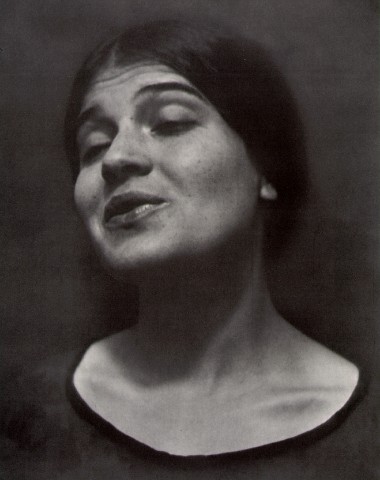
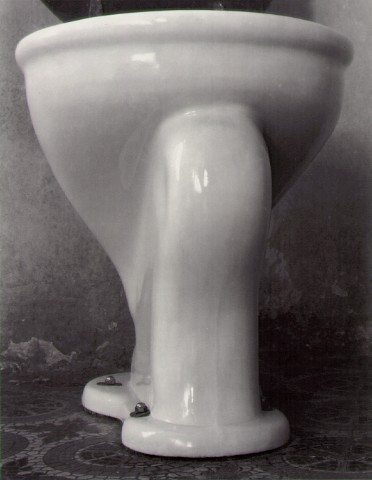
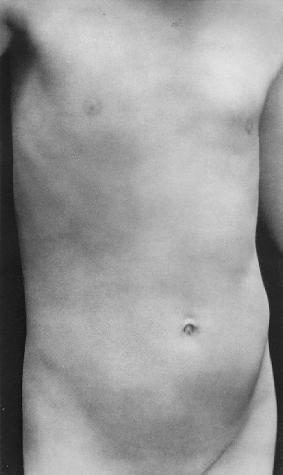
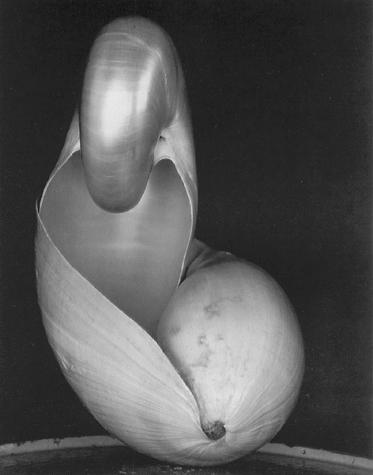
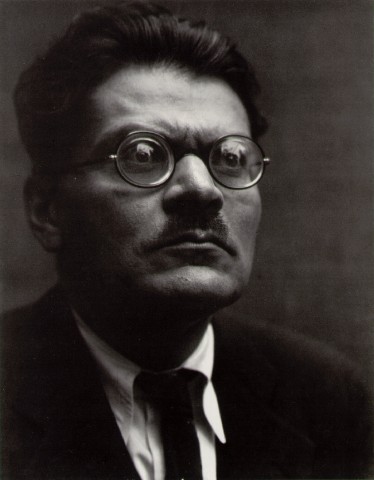
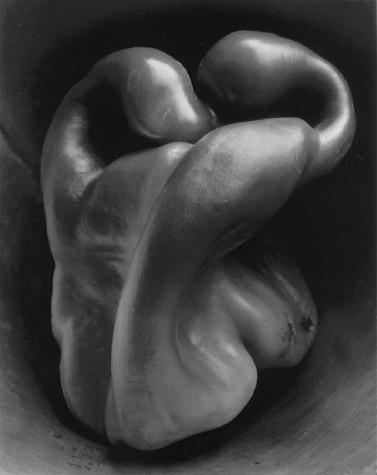
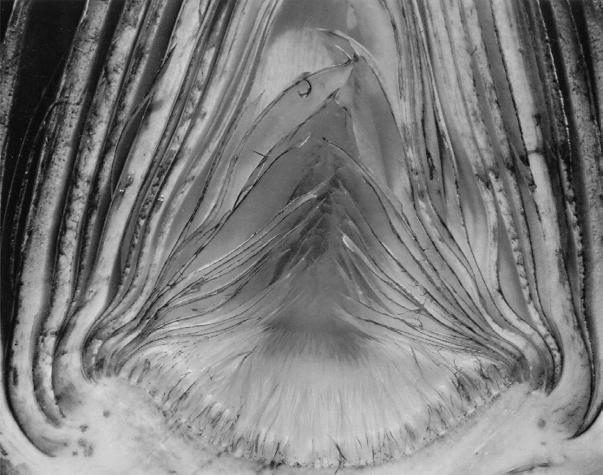
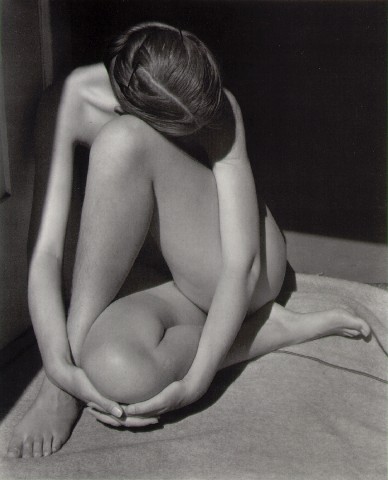
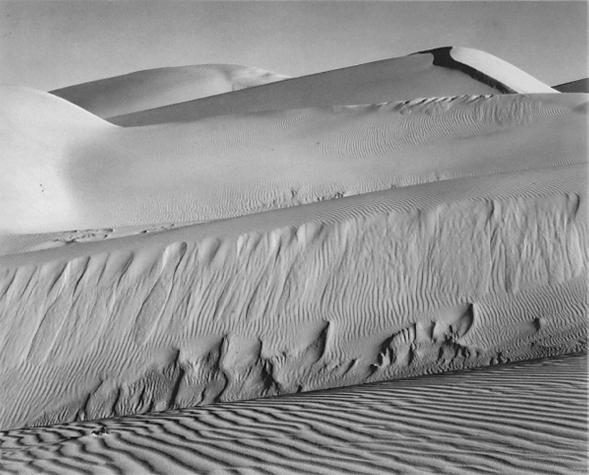
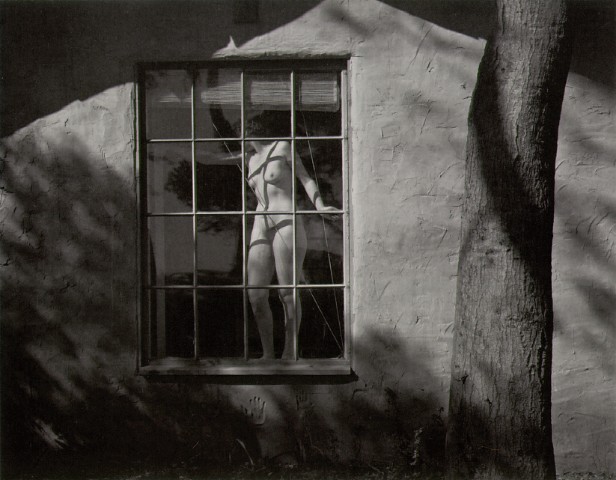
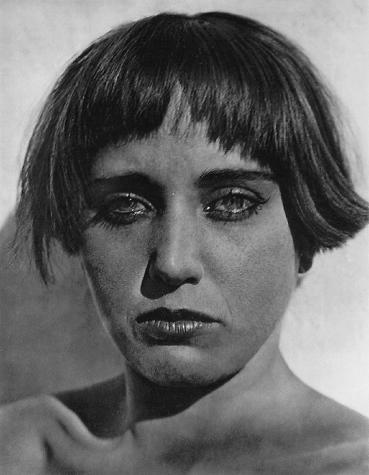
![]() Text from A World History of Photography Profile: Edward Weston From an accomplished commercial photographer of Pictorialist persuasion, Edward Weston developed into the quintessential American artist/photographer of his time. Born in Illinois in 1886, he opened a portrait studio in California in 1911, finding time also to exhibit at Pictorialist salons. After his definitive break with Pictorialism, seen in the 1922 Armco images, Weston embarked on the fife of an impecunious but free artist, singlemindedly devoted to creative endeavor. Convinced at this time that "the photographer ... can depart from the literal recording to whatever extent he chooses" as long as the methods remain "photographic,"" he controlled form and tone through choice of motif, exposure time, and the use of the ground-glass focusing screen of the large-format camera. This way of working, which he called pre-visualization, was a factor in Weston's exclusion of temporal and transient effects of light, atmosphere, and movement in order to concentrate on revealing the object 'in its "deepest moment of perception." Following a four-year period in Mexico, during which he opened a portrait studio with Tina Modotti and became part of the revitalized Mexican artistic movement of the period, Weston returned to a simple existence in Carmel, California. In 1927, he began to photograph single objects -both organic forms and artifacts-removed from their ordinary contexts. In addition to the well-known nautilus shells and green peppers, he arranged and illuminated a series of household implements whose shapes seemed intrinsically beautiful, and photographed them close-up with great precision in order to reveal "an essence of what lies before the ... lens," thus creating an "image more real and comprehensible than the actual object." The nude was especially significant in Weston's work, representing, as it also did for Stieglitz, more than a convenient artistic theme. The cool and elegant forms of the more than one hundred nude studies Weston produced between 1918 and 1945 not only represent his search for formal perfection but also reflect the erotic and sexual enigmas with which he struggled for much of his fife. Freedom from financial strain, made possible by Guggenheim grants in 1937 and 1938 - the first awarded to a photographer - enabled Weston to embark on a period of sustained work. In fusing the formal insights gained during the late 1920s with his intense feeling for the California landscape, Weston achieved the richest and most personally nuanced imagery of his career. A selection of these photographs appeared in California and the West, published in 1940, and ten years later in an elegantly printed portfolio, My Camera at Point Lobos. Starting in 1923 and continuing for 20 years, Weston kept a daily journal. Published in 1961, three years after his death, his Daybooks, edited by Nancy Newhall, detail the problems of daily existence and creative activity in the photographer's life. A unique document, it lays bare the inner resolve that impelled this photographer to transcend financial distress and emotional anxiety and create works that seem untouched by the mundane or temporal.
|
Buying through this link supports Masters of Photography
|