| Click here for Reviews and Prices of consumer electronics at DigitalAdvisor |
|
![]() CDROM VERSION POSTER STORE ABBOTT ANSEL ADAMS ROBERT ADAMS ALVAREZ BRAVO ATGET BELLOCQ BLOSSFELDT BOURKE-WHITE BRANDT BRASSAÏ CALLAHAN CAMERON COBURN CUNNINGHAM DeCARAVA DOISNEAU EGGLESTON EVANS FENTON FRIEDLANDER GOWIN GUTMANN HILL&ADAMSON HINE KARSH KERTÉSZ KLEIN KOUDELKA LANGE LARTIGUE LAUGHLIN LEVITT MAPPLETHORPE MEATYARD MEYEROWITZ MODEL MODOTTI MUYBRIDGE NADAR NEWMAN O'SULLIVAN OUTERBRIDGE PARKS PENN RIIS RODCHENKO SALGADO SHERMAN SHORE SMITH SOMMER STEICHEN STIEGLITZ STRAND TALBOT UELSMANN WALDMAN WATKINS WESTON WHITE WINOGRAND WOLLEH |
Text from Wikipedia
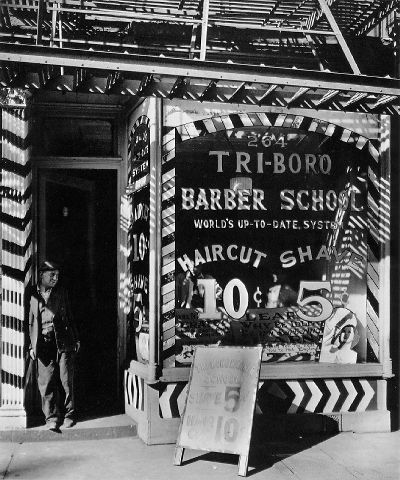
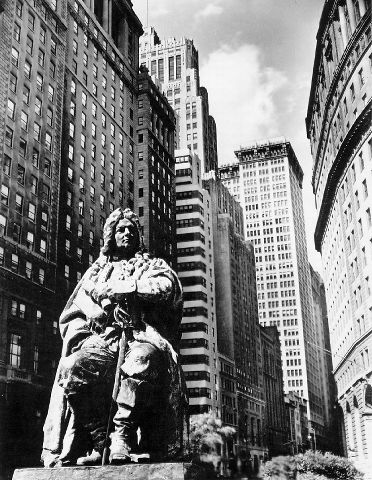
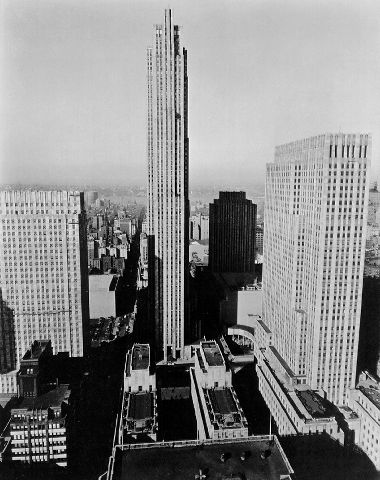
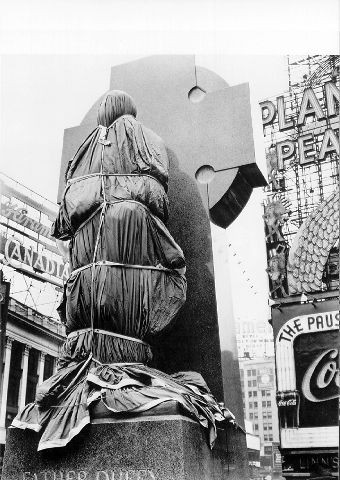
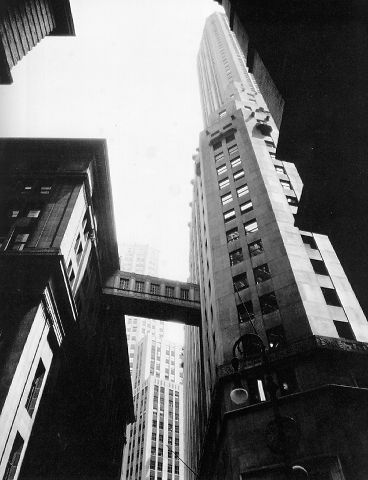
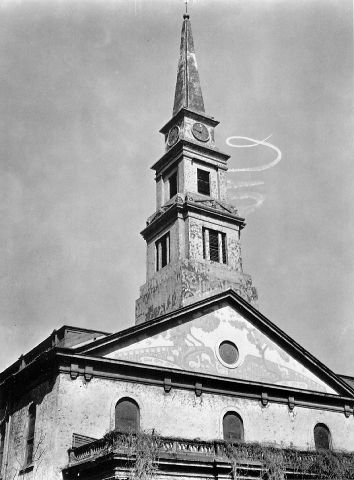
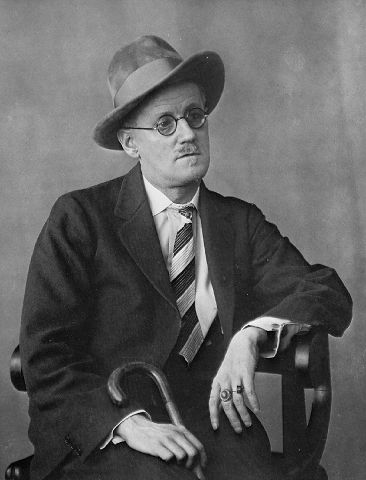
Abbott, Berenice Berenice Abbott (July 17, 1898 – December 9, 1991) was an American photographer best known for her black-and-white photography of the streetlife and architecture of New York City during the 1930s. She was born in Springfield, Ohio and was raised in part by Hippolyte Havel, beginning in 1910. Abbott began taking photographs in 1923. From 1923 to 1925, she was an assistant of Man Ray in Paris, where she made a series of portraits of well-known artistic and literary figures of the 1920s. In 1925, she discovered the photography of Eugène Atget and helped him gain international recognition for his work. Abbott's photography became acknowledged much later in her career due her role in promoting Atget's work, which obscured the significance of her own. She began documenting New York City in 1929 and published some of her work made in 1939 in her book entitled Changing New York, which was supported by the Federal Arts Program. Her work has provided a historical chronicle of many now-destroyed buildings and neighborhoods of Manhattan. Using a large format camera, Abbott photographed New York City with the same attention to detail and diligence as she learned from the career of Eugène Atget. Abbott was part of the straight photography movement, which stressed the importance of photographs being unmanipulated in both subject matter and developing processes. She was also against pictorialists such as Alfred Stieglitz, who had gained much popularity during a substantial span of her own career and therefore, left her work without support from this particular sect of photographers. Nonetheless, her style of straight photography aided her making important contributions to scientific photography. In 1958, she produced a series of photographs for a high-school physics text-book. Not only was Abbott a photographer, but she also started the House of Photography in 1947 to promote and sell some of her inventions. These inventions included a distortion easle, which created unusual effects on images developed in a darkroom, and the telescopic lighting pole, known today as by many studio photographers as an "autopole," in which lights can be attached at any level. Due to poor marketing, the House of Photography quickly lost money and with the deaths of two designers, the company went under. After an extensive trip documenting the scenes of Route 1 from Maine to Florida and back resulting in over 2,500 negatives, Abbott underwent a lung operation. She was told that due to the city pollution, it would be in her best interest to move away from New York City. She bought a rundown home in Maine for only $1,000 where she remained until her death in 1991.
|