![]() |
![]() CDROM VERSION POSTER STORE ABBOTT ANSEL ADAMS ROBERT ADAMS ALVAREZ BRAVO ATGET BELLOCQ BLOSSFELDT BOURKE-WHITE BRANDT BRASSAÏ CALLAHAN CAMERON COBURN CUNNINGHAM DeCARAVA DOISNEAU EGGLESTON EVANS FENTON FRIEDLANDER GOWIN GUTMANN HILL&ADAMSON HINE KARSH KERTÉSZ KLEIN KOUDELKA LANGE LARTIGUE LAUGHLIN LEVITT MAPPLETHORPE MEATYARD MEYEROWITZ MODEL MODOTTI MUYBRIDGE NADAR NEWMAN O'SULLIVAN OUTERBRIDGE PARKS PENN RIIS RODCHENKO SALGADO SHERMAN SHORE SMITH SOMMER STEICHEN STIEGLITZ STRAND TALBOT UELSMANN WALDMAN WATKINS WESTON WHITE WINOGRAND WOLLEH |
![]() Text from Wikipedia
Riis Jacob A. Jacob August Riis (May 3, 1849 - May 26, 1914), a Danish-American muckraker journalist, photographer, and social reformer, was born in Ribe, Denmark. He is known for his dedication to using his photographic and journalistic talents to help the less fortunate in New York City, which was the subject of most of his prolific writings and photographic essays. As one of the first photographers to use flash phototography, he is considered a pioneer in the field of photography.
Early lifeJacob Riis was the third of fifteen children born to Niels Riis, schoolteacher and editor of his local newspaper, and Carolina Riis, a homemaker. Riis was influenced both by his stern father, whose school Riis took delight in disrupting, and from the authors he read, among whom Charles Dickens and James Fenimore Cooper were his favorites.[1] At age eleven, Riis's younger brother drowned. Riis would be haunted for the rest of his life, both by images of his drowning brother, and those of his mother staring at his brother's empty chair at the dinner table.[1] At twelve, Riis amazed all who knew him when he donated all the money he received for Christmas to a poor family in Ribe, during a time when money was scarce for anyone his age. When Riis was sixteen, he fell in love with wealthy local Elisabeth Gortz, but his marriage suit was denied, because Gortz's family thought Riis too common. Riis moved to Copenhagen in dismay, seeking work as a carpenter.
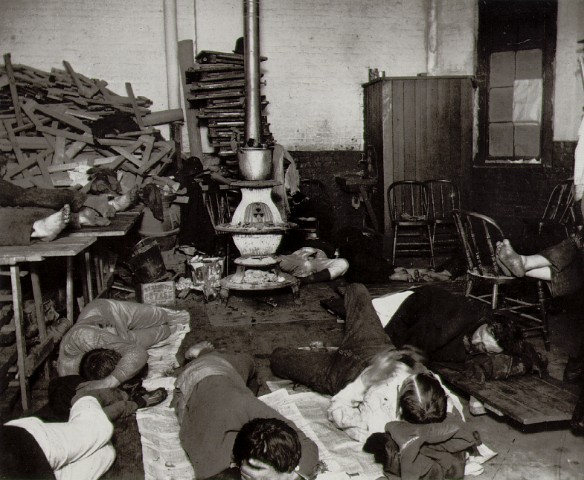
Immigration to the United StatesRiis came to America by steamer in 1870, when he was 21 seeking employment as a carpenter. Riis arrived in the United States during an era of social turmoil. Large groups of migrants and immigrants flooded urban areas in the years following the U.S. Civil War seeking prosperity in a more industrialized environment. Twenty-four million people moved to urban centers, causing a population increase of over 700%. The demographics of American urban centers grew significantly more heterogeneous as immigrant groups arrived in waves, creating ethnic enclaves oftentimes surpassing even the largest cities associated with the homelands of these ethnicities. Riis's only companion was a stray dog he met shortly after his arrival. The dog brought him inspiration and when a police officer mericilessly beat his dog to death, Riis was devastated. One of his personal victories, he later confessed, was not using his eventual fame to ruin the career of the offending officer. Riis spent most of his nights in police-run poor houses, whose conditions were so ghastly that Riis dedicated himself to shutting them down.
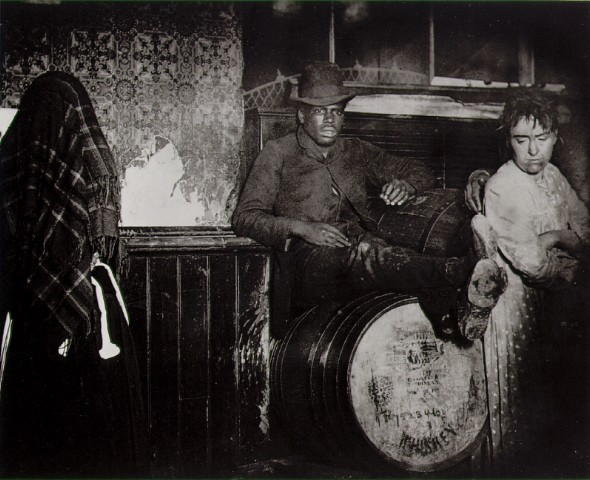
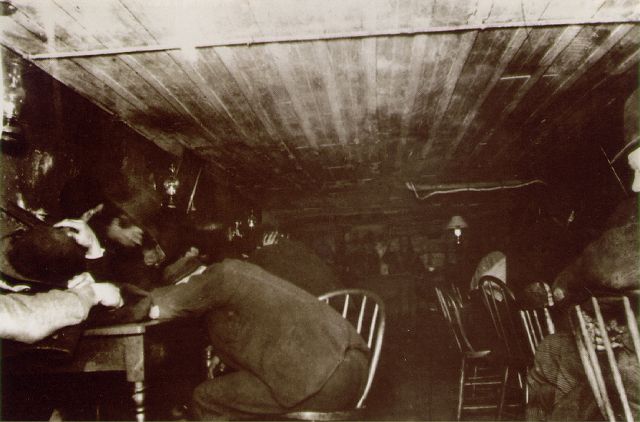
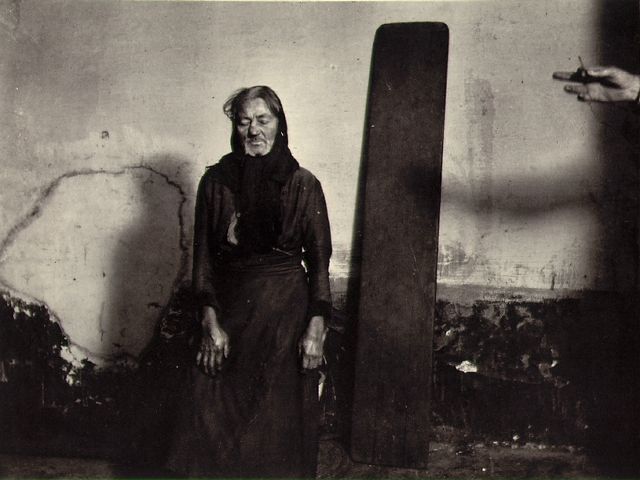
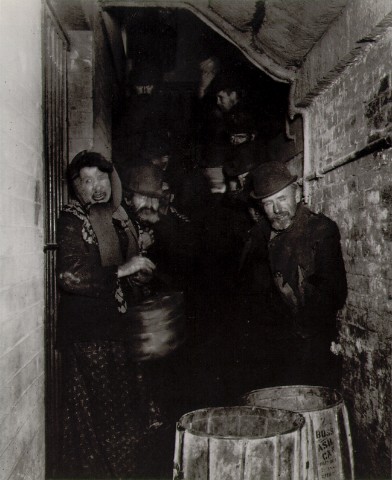
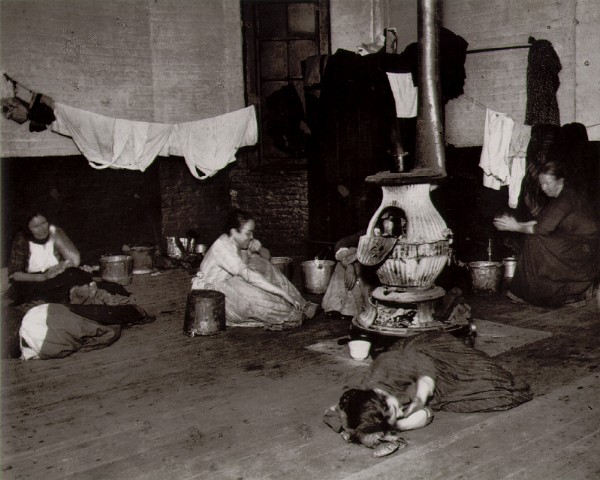
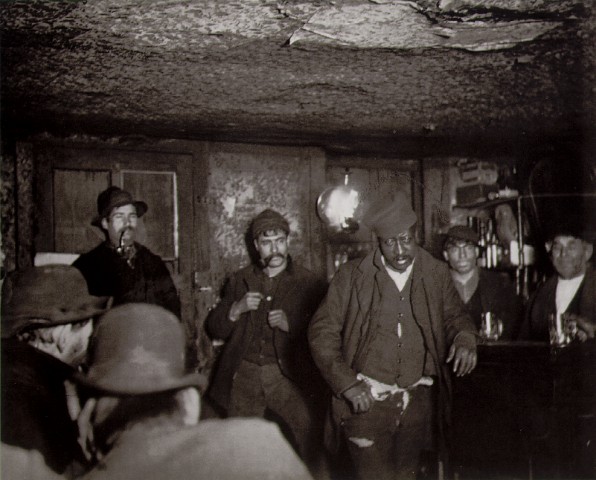
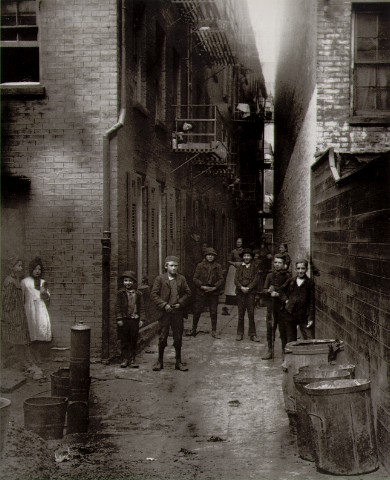
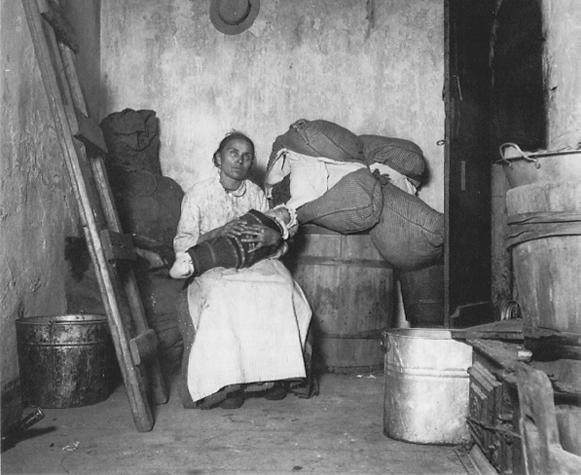
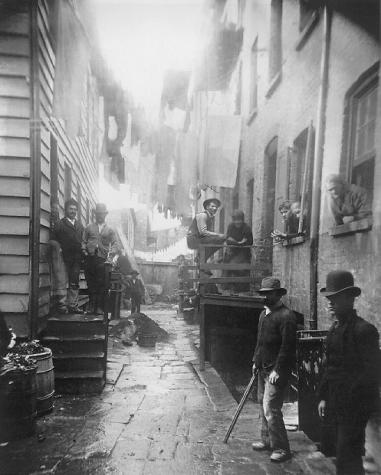
Journalism careerRiis held various jobs before he landed a position as a police reporter in 1873 with the New York Evening Sun newspaper. In 1874, he joined the Brooklyn News's news bureau. In 1877 he again server as police reporter, this time for the New York Tribune. During these stints as a police reporter, Riis worked the most crime-ridden and impoverished slums of the city. Through his own experiences in the poor houses, and witnessing the conditions of the poor in the city slums, he decided to make a difference for those who had no voice. As a pioneer investigative journalist, he went undercover working at a meat packing factory. He was one of the first Americans to use flash powder, allowing his documentation of New York City slums to penetrate the dark of night. This technology helped him capture the hardships faced by the poor and criminal along his police beats, especially on the notorious Mulberry Street. In 1889, Scribner's Magazine published Riis's photographic essay on city life, which Riis later expanded to create his magnum opus How the Other Half Lives. This work was directly responsible for convincing then-Commissioner of Police Theodore Roosevelt to close the police-run poor houses in which Riis suffered during his first months as an American. After reading it, Roosevelt was so deeply moved with Riis's sense of justice that he met Riis and befriended him for life, calling him "the best American I ever knew." Roosevelt himself coined the term muckraking journalism, of which Riis is a recognized example, in 1906.
Marriages and later lifeAt age 25, Riis wrote to Elisabeth Gortz Nielsen to propose a second time. This time Gortz accepted, and joined Riis in New York City, saying "We will strive together for all that is noble and good". Indeed, Gortz did support Riis in his work, and he spent the next 25 years using his artistic medium to advance the concerns of the poor. During this time, Riis wrote another twelve works, including his autobiography The Making of an American in 1901. In 1905, his wife grew ill and died. In 1907, Riis remarried, and with his new wife Mary Phillips, moved to a farm in Barre, Massachusetts.
|
![]() Buying through this link supports Masters of Photography
|