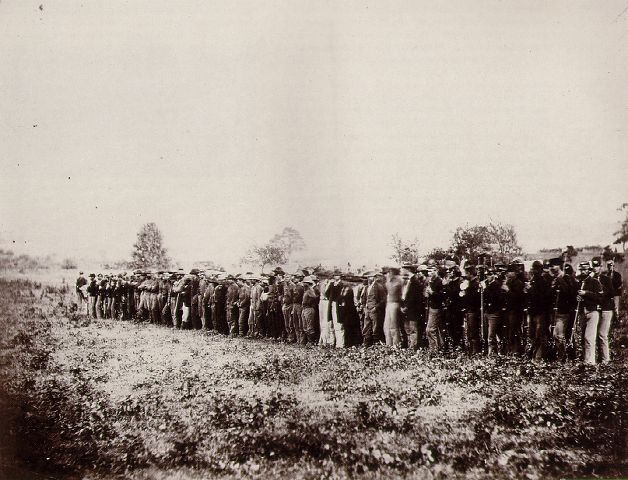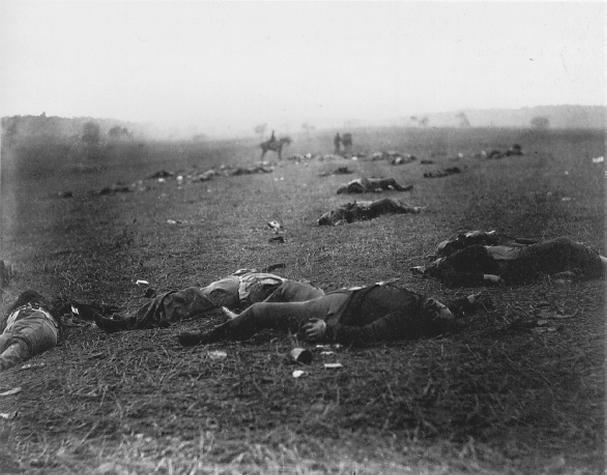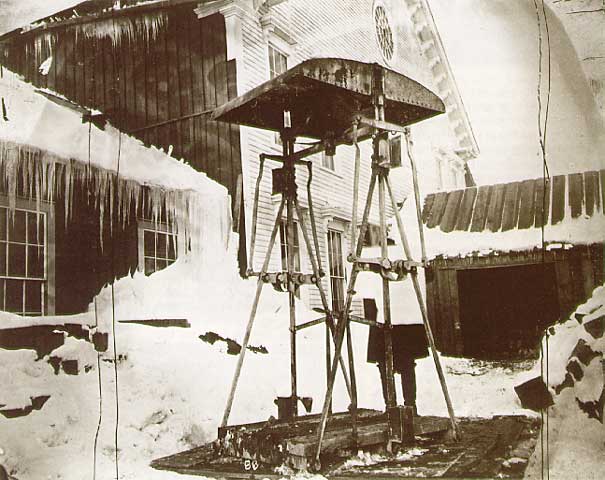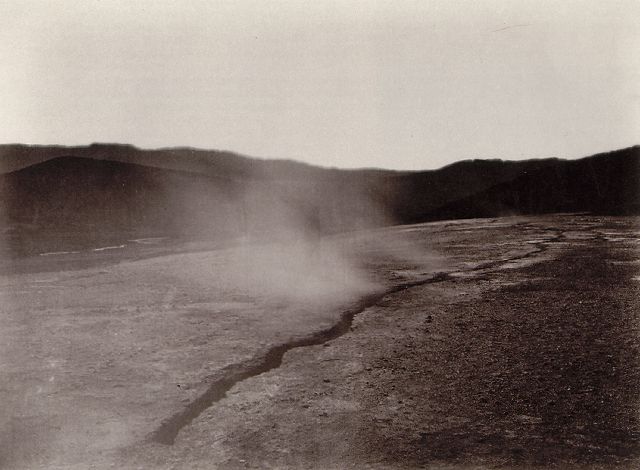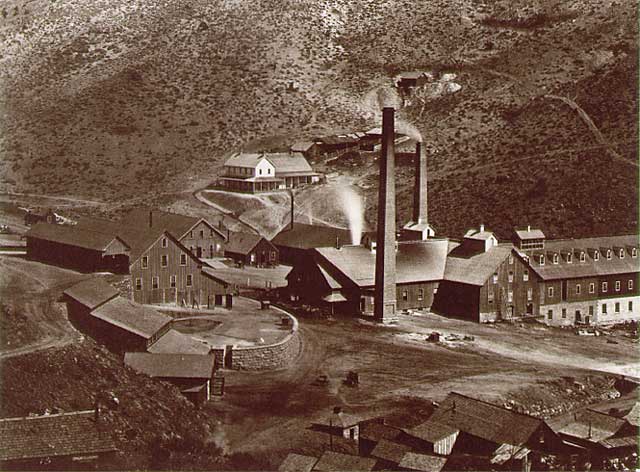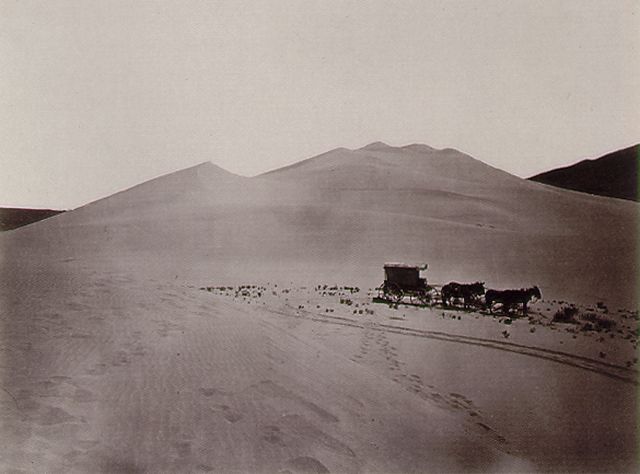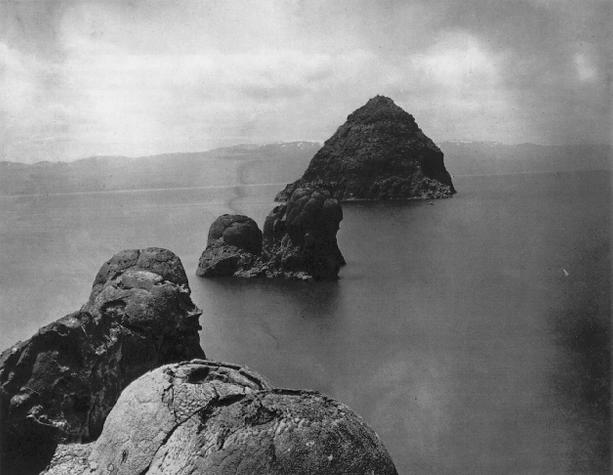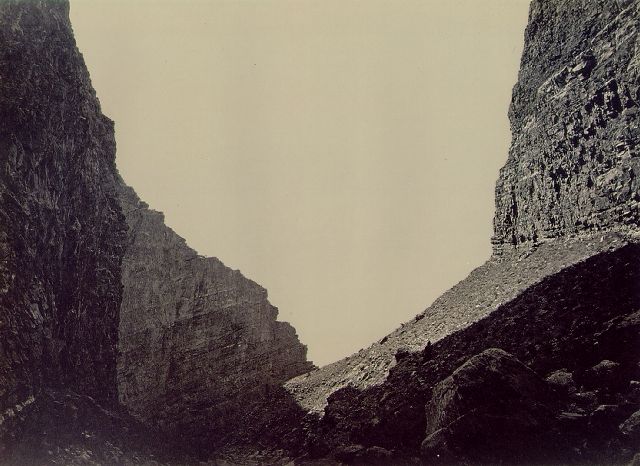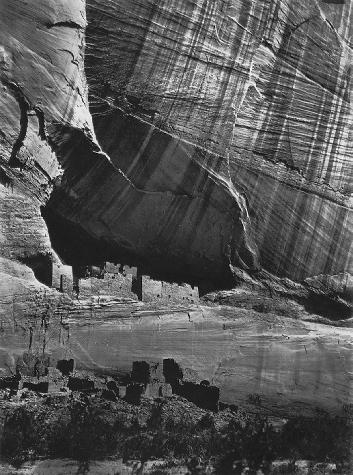
Timothy O’Sullivan was a prominent American photographer born in 1840, who gained recognition for his Civil War subjects and landscapes of the American West. Before joining Mathew Brady’s team of photographers in 1861, O’Sullivan worked as an apprentice at Brady’s Fulton Street gallery.
After the Civil War, O’Sullivan became a photographer for the Geological Exploration of the Fortieth Parallel. This was the first governmental survey of the American West. He later joined a survey team in Panama in 1870 and returned to the southwestern United States to join Lieutenant George M. Wheeler’s survey from 1871 to 1874.
O’Sullivan was known for his ability to capture landscapes and turn photography into an art form outside of traditional portraiture. His iconic images of the American West and Civil War battles reflected his unique eye for detail and composition.
While little is known about his personal life or marital status, Timothy O’Sullivan left behind a legacy as one of America’s most significant photographers. Today, he is praised for pushing boundaries in photography by taking it out of studios and into unchartered territories like battlefields and underexplored lands. His contributions have inspired generations that followed him, making him an important figure in early photography history.