![]() |
![]() CDROM VERSION POSTER STORE ABBOTT ANSEL ADAMS ROBERT ADAMS ALVAREZ BRAVO ATGET BELLOCQ BLOSSFELDT BOURKE-WHITE BRANDT BRASSAÏ CALLAHAN CAMERON COBURN CUNNINGHAM DeCARAVA DOISNEAU EGGLESTON EVANS FENTON FRIEDLANDER GOWIN GUTMANN HILL&ADAMSON HINE KARSH KERTÉSZ KLEIN KOUDELKA LANGE LARTIGUE LAUGHLIN LEVITT MAPPLETHORPE MEATYARD MEYEROWITZ MODEL MODOTTI MUYBRIDGE NADAR NEWMAN O'SULLIVAN OUTERBRIDGE PARKS PENN RIIS RODCHENKO SALGADO SHERMAN SHORE SMITH SOMMER STEICHEN STIEGLITZ STRAND TALBOT UELSMANN WALDMAN WATKINS WESTON WHITE WINOGRAND WOLLEH |
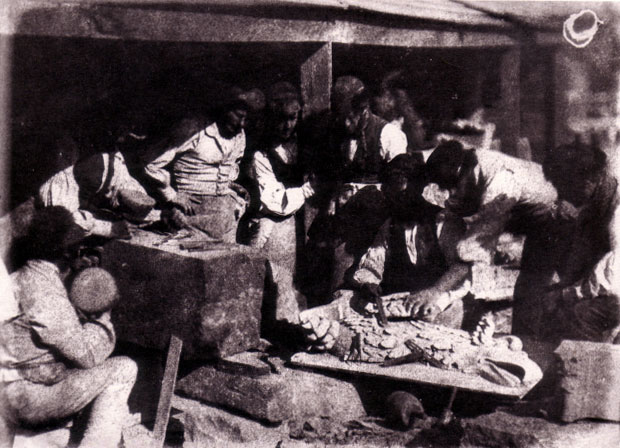
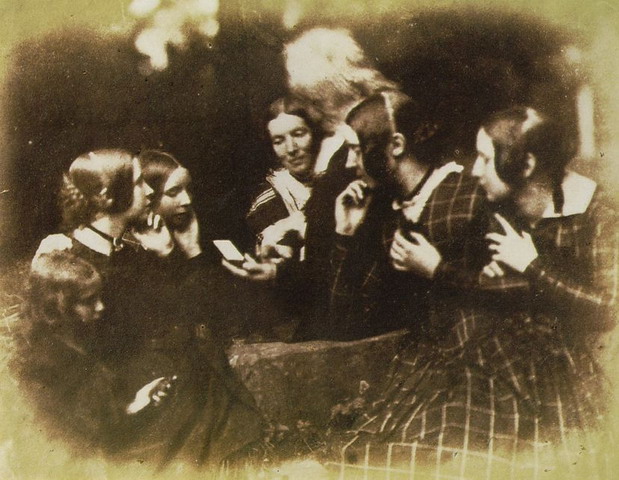
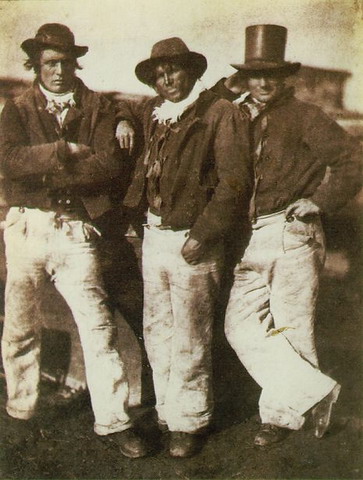
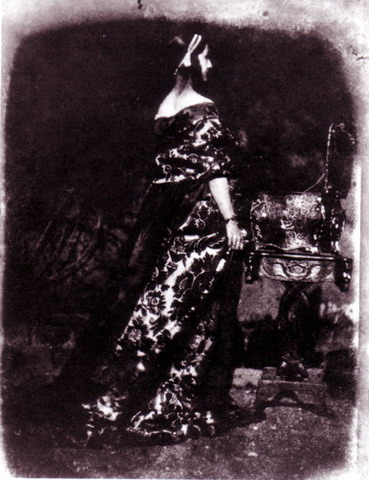
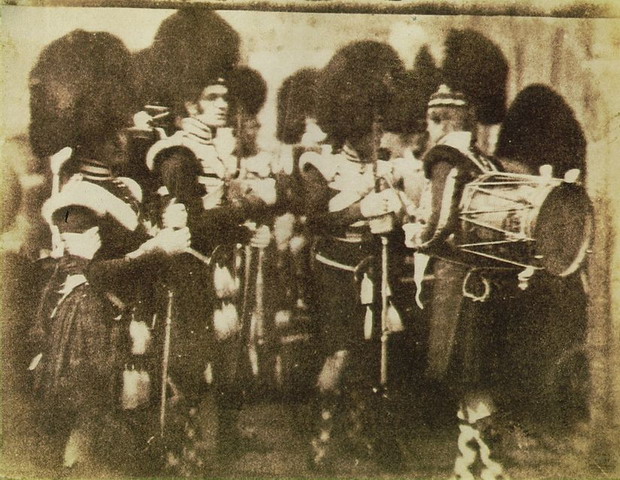
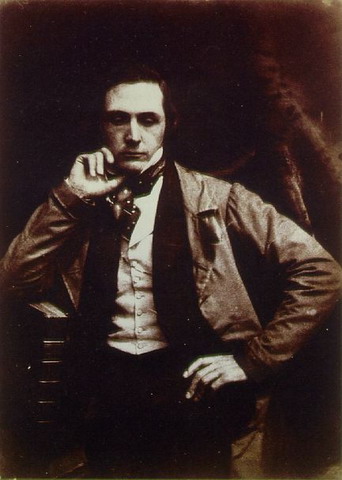
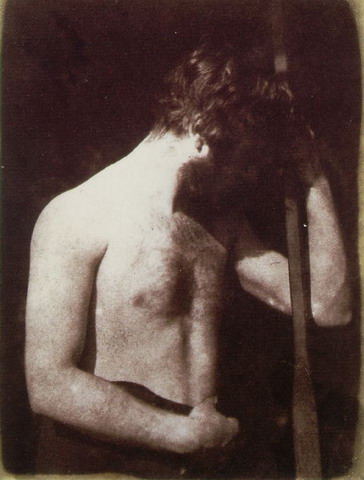
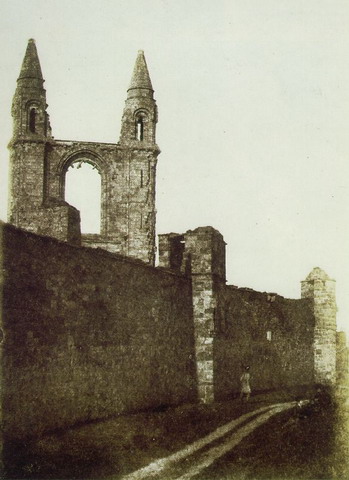
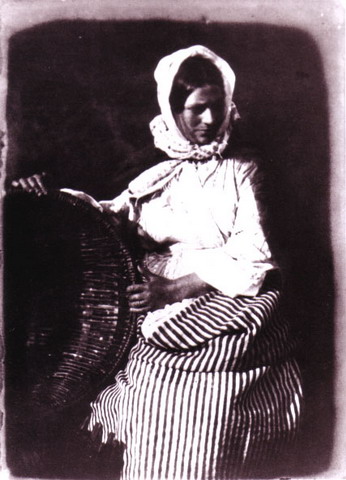
Text from John Szarkowski, Looking at Photographs: 100 Pictures from the Collection of the Museum of Modern Art David Octavius Hill was a properly trained painter, a member in good standing of the British art establishment, who understood how Van Dyke and Gainsborough had done it, or at least how the academy thought they had done it. Hill took up photography (with the assistance of the young chemist Robert Adamson) as a sketching medium, in order to produce likenesses of 470 Scottish clerics, which he would incorporate in a monstrous historical painting commemorating the founding of the Free Church of Scotland. When the painting was finally finished in 1866, twenty-three years after the first photographs were made, it established Hill as one of the first artists to have converted good photography into bad painting. Happily, Hill (or Adamson, or both) came to love and use photography for its own sake, and by some unknown combination of their talents they made some of the finest photographic portraits that the medium has thus far managed. They used a technique called calotypy, which had been developed by William Henry Fox Talbot during the same years in which Daguerre was perfecting his process. Talbot's technique was a two-step system: The picture exposed in the camera formed a negative image (black for white, and vice versa) on a transparent paper base; this negative image was then used as a filter through which a second piece of sensitized paper was exposed to the light, thus reversing the tonal values. Each daguerreotype was unique, but the calotype negative, like the etcher's plate, could be used to produce an indefinite number of prints, limited only by the degree to which the photographer overestimated his market. The calotype image was diffused slightly by the texture of the paper through which it was printed and consequently was less sharply detailed than the daguerreotype. But what Hill had learned from the great dead painters allowed him to compose his pictures broadly and simply, and turn the limitations of the system to his advantage.
|
![]() Buying through this link supports Masters of Photography
|