![]() |
![]() CDROM VERSION POSTER STORE ABBOTT ANSEL ADAMS ROBERT ADAMS ALVAREZ BRAVO ATGET BELLOCQ BLOSSFELDT BOURKE-WHITE BRANDT BRASSAÏ CALLAHAN CAMERON COBURN CUNNINGHAM DeCARAVA DOISNEAU EGGLESTON EVANS FENTON FRIEDLANDER GOWIN GUTMANN HILL&ADAMSON HINE KARSH KERTÉSZ KLEIN KOUDELKA LANGE LARTIGUE LAUGHLIN LEVITT MAPPLETHORPE MEATYARD MEYEROWITZ MODEL MODOTTI MUYBRIDGE NADAR NEWMAN O'SULLIVAN OUTERBRIDGE PARKS PENN RIIS RODCHENKO SALGADO SHERMAN SHORE SMITH SOMMER STEICHEN STIEGLITZ STRAND TALBOT UELSMANN WALDMAN WATKINS WESTON WHITE WINOGRAND WOLLEH |
Text from Sherry Turner DeCarava, in Roy Decarava: A Retrospective
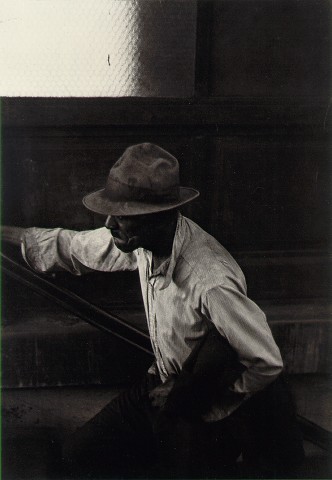
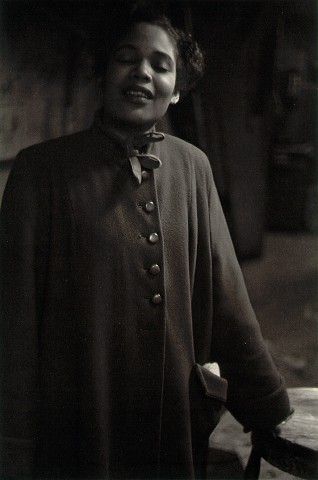
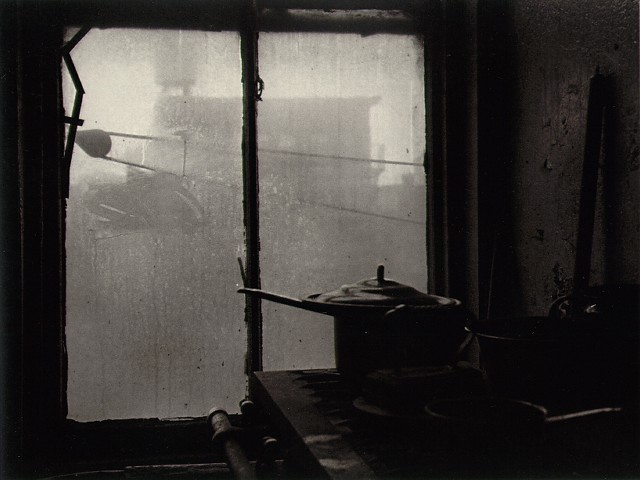
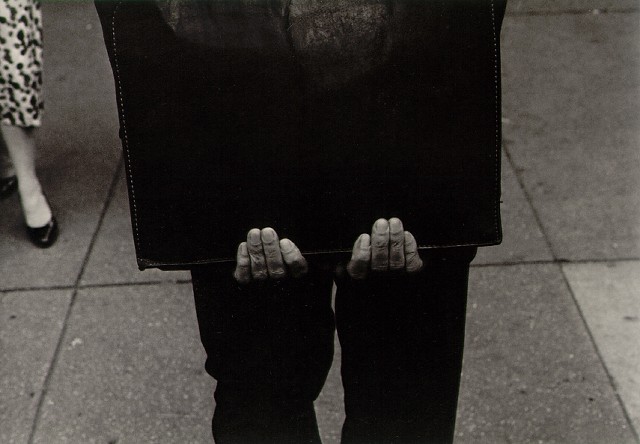
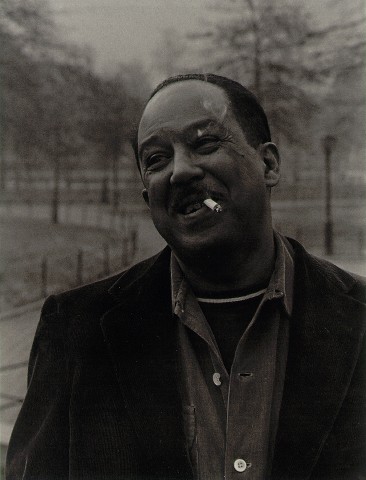
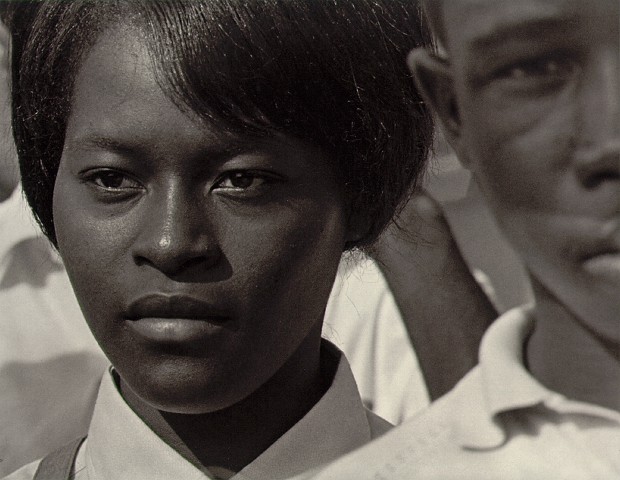
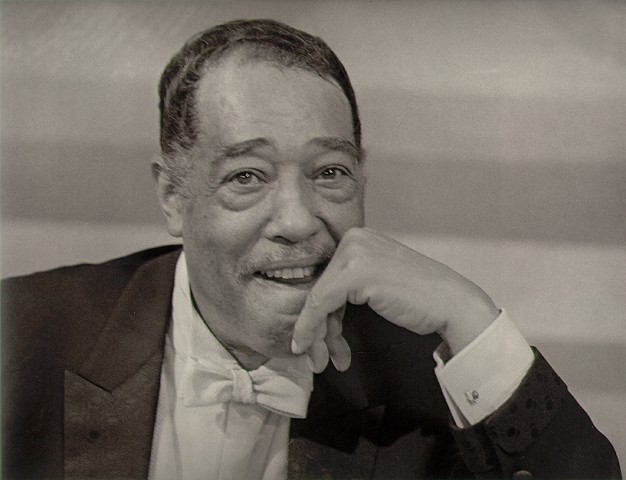
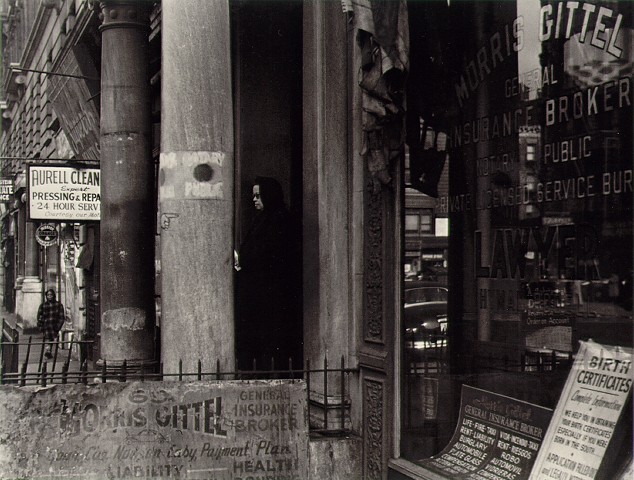
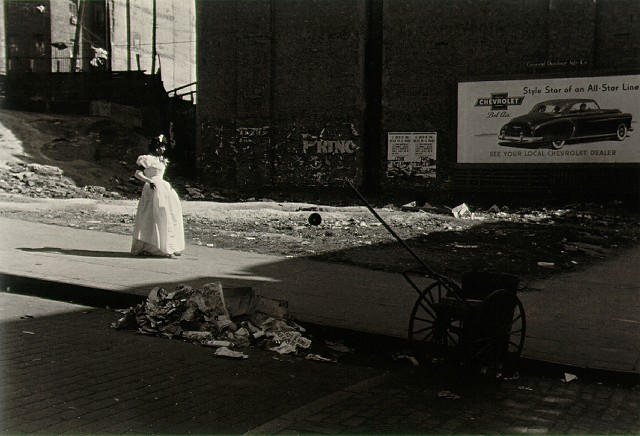
Pages from a Notebook"Since the late 1940s Roy DeCarava has created visually acute, thought-provoking images from unexpected places. His creative intent was founded on his belief in a human-centered world and was shaped through formal language expressed initially in drawing and painting. He developed a perception of photographic tonality and time that carried a richness and a restraint into the images, enabling a quiet emotional gestalt to emerge. Many of his depictions of people in exterior and interior places appear as memories of those whom he observed growing up in different neighborhoods around and contiguous to Harlem, and other metropolitan areas of the city. Yet, even when images contain biographical references of these times, they reach beyond an individual dimension."As he often turns his camera toward modern American urban life, DeCarava's work breaches that visual dissonance with the act of defining both its verity and its beauty. Between things that transmute themselves - a wall that becomes a stage, or a storyline, or the carrier of time or of ambiguous shadows - "beauty is a subject and justice lies within it." This consonance represents an elemental structure in his images and imparts solidity and resonance to the work. However, there is an implied duality. While people are at the center of his vision, the work may equally express the sensibility of the dark. Largely situated within the anonymity of a late-twentieth-century urban environment, the images nevertheless find an intimate space at the core of their meaning. The pictures can portray a single, isolated individual, yet they set in motion a circuit of feeling that encloses viewer, photographer, and subject in the delicate rigor of human understanding. In the midst of the modern, DeCarava reinvents the classical, and vice versa. Harkening back across fifty years of work that began with pen-and-ink drawings, there is a unity of vision and meaning evident, a process extending through to the development of the photographs. Yet it is equally certain that when DeCarava replaced drawing and painting with photography, he walked out of his studio and gained another vision of the world, one that was more fully sensate and open to his perception. In this sense, his work invites us to see, to experience the feelings fundamental to living, and contains the hope that visual contemplation will connect us to the flow of reality and the possibility of dreams."
|
![]() Buying through this link supports Masters of Photography
|