![]() |
![]() CDROM VERSION POSTER STORE ABBOTT ANSEL ADAMS ROBERT ADAMS ALVAREZ BRAVO ATGET BELLOCQ BLOSSFELDT BOURKE-WHITE BRANDT BRASSAÏ CALLAHAN CAMERON COBURN CUNNINGHAM DeCARAVA DOISNEAU EGGLESTON EVANS FENTON FRIEDLANDER GOWIN GUTMANN HILL&ADAMSON HINE KARSH KERTÉSZ KLEIN KOUDELKA LANGE LARTIGUE LAUGHLIN LEVITT MAPPLETHORPE MEATYARD MEYEROWITZ MODEL MODOTTI MUYBRIDGE NADAR NEWMAN O'SULLIVAN OUTERBRIDGE PARKS PENN RIIS RODCHENKO SALGADO SHERMAN SHORE SMITH SOMMER STEICHEN STIEGLITZ STRAND TALBOT UELSMANN WALDMAN WATKINS WESTON WHITE WINOGRAND WOLLEH |
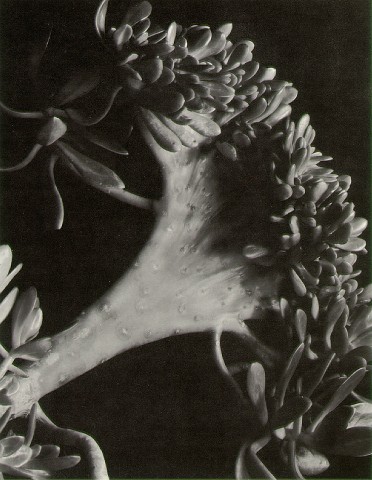
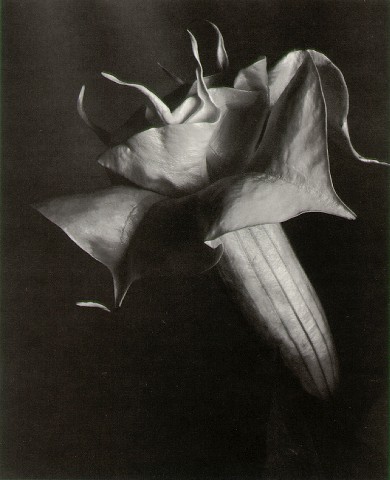
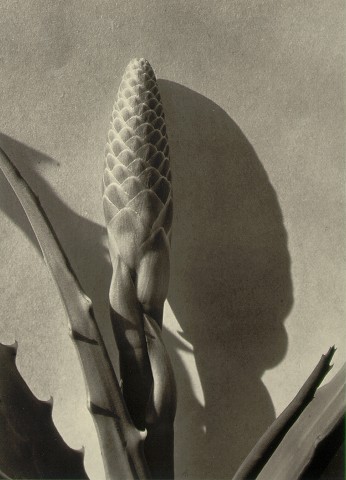
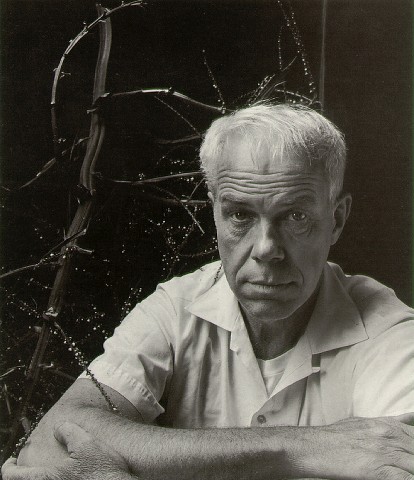
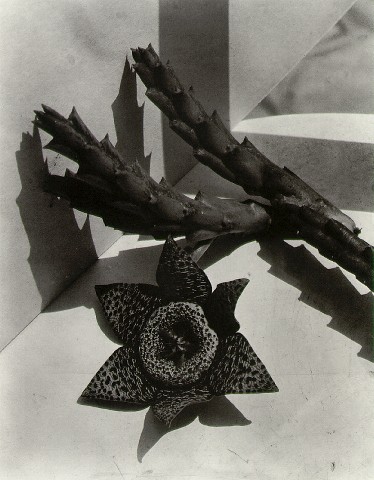
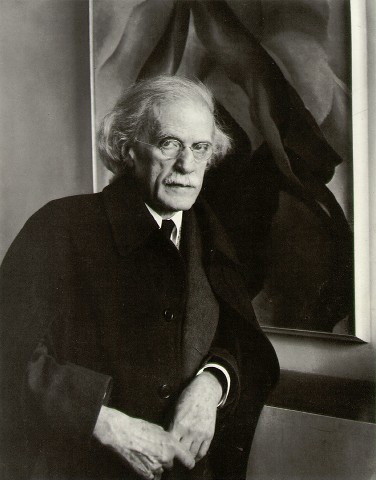
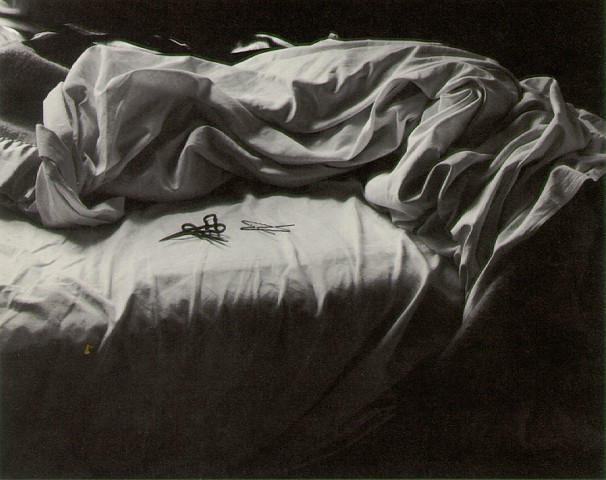
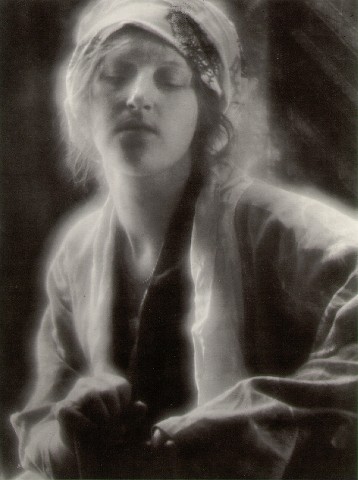
![]() Text from Van Deren Coke, Photography: A Facet of Modernism Imogen Cunningham was raised in Seattle, Washington, where she made her first photographs in 1901. While attending the University of Washington in Seattle, she studied chemistry and took botany classes, for which she made lantern slides. From 1907 to 1909 she worked in Seattle at the studio of Edward S. Curtis, the photographer of American Indian life, from whom she learned the process of platinum printing. In 1909 she received a scholarship to study the chemistry of photography at the Technische Hochschule in Dresden, Germany, where she developed an inexpensive imitation platinum paper based on the use of lead salts. During her return trip to the United States in 1910, she met Alvin Langdon Coburn in London; in New York she met Alfred Stieglitz and Gertrude Kaesebier, whose work she found particularly inspiring. Cunningham opened her own studio in Seattle in the fall of 1910. In 1912 she had her first one-person show, at the Brooklyn Institute of Arts and Sciences, New York, in which she exhibited soft-focus Pictorialist studies of figures in the landscape. In 1915 she married the artist Roi Partridge; in 1917 they moved to San Francisco, where she opened a portrait studio. In the 1920s Cunningham began making sharply focused, close-up studies of plant forms and unconventional views of industrial structures and modern architecture. Concerned with light, form, and abstract pattern, these photographs established her as one of the pioneers of modernist photography on the West Coast. Edward Weston selected ten of these works for the historic Film und Foto exhibition held in Stuttgart, Germany, in 1929. Cunningham was a founding member of Group f.64 and participated in its important showing at the M. H. de Young Memorial Museum in San Francisco in 1932. It was there, in the same year, that she was given a one-person exhibition. Her work was also included in the landmark exhibition Photography 1839-1937 held at the Museum of Modern Art, New York, in 1937. In addition to plant forms, Cunningham also did portraiture. Having published her pictures of the dancer Martha Graham in Vanity Fair in 1932, Cunningham continued to work for the magazine in both New York and Hollywood until 1934. Throughout her long and productive career, portraiture continued to be an important subject. During the fifties she photographed the poets of the Beat Generation and in the sixties, the flower children of San Francisco's Haight Ashbury district. At the age of ninety-two Cunningham began her last major portrait project, a book of images primarily of people over ninety years old. Unfinished at the time of her death, the book, entitled After Ninety, was published posthumously in 1977 to coincide with an exhibition of these photographs at the Focus Gallery in San Francisco.
|
Buying through this link supports Masters of Photography
|